Mood, Room by Room: Artisan Candle Styling for Living, Bath, and Bedroom
Step inside a sensory journey through your home as we explore room-by-room ambience by styling artisan candles to set the mood in living rooms, baths, and bedrooms. Discover fragrance families, vessel finishes, and flame behavior that transform everyday routines into resonant rituals. Share your favorite pairings in the comments, ask questions, and subscribe for weekly, seasonally tested arrangements, mindful safety habits, and inspiring reader stories that brighten real spaces.
Living Room Glow: Layers that Spark Conversation

Heights, Vessels, and Focal Trios
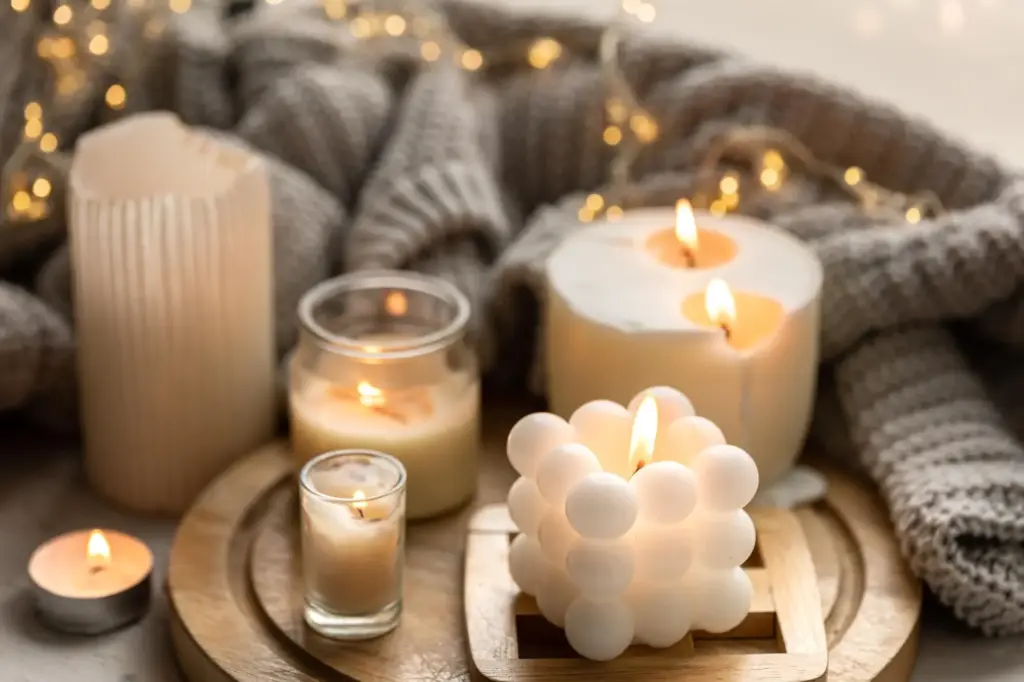
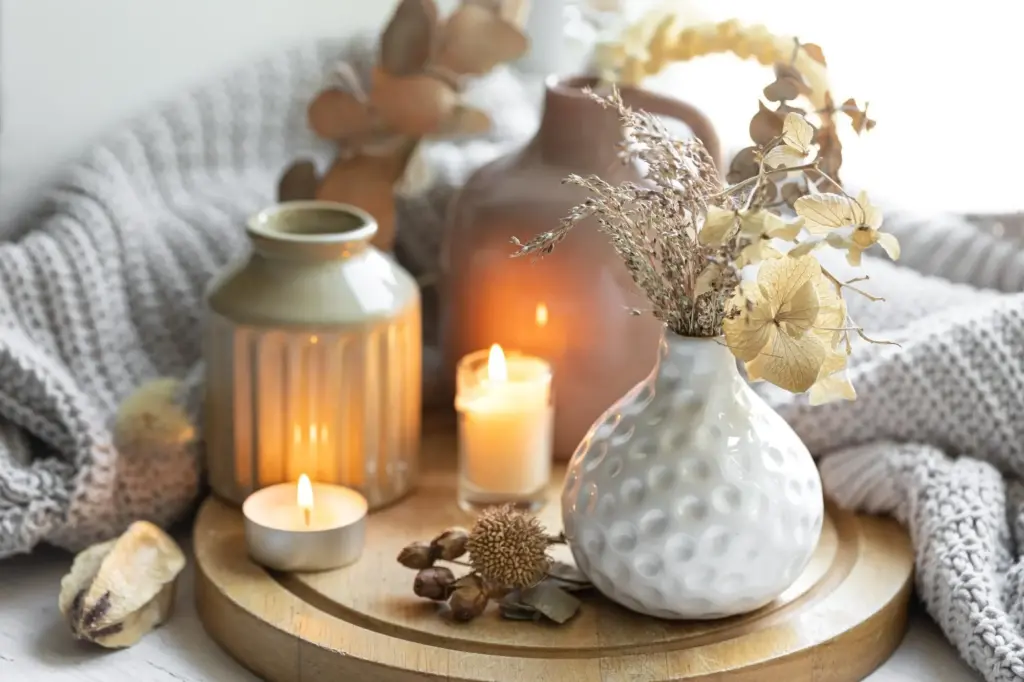
Arrange odd-number groupings to guide attention without clutter. Pair one substantial pillar with a medium jar and a tiny votive, varying materials for texture. Matte ceramic softens glare, ribbed glass dances, and aged metal grounds everything. Leave breathing space so each flame sketches its own gentle boundary.
Scent Profiles that Welcome, Not Overwhelm
Choose translucent notes for social spaces: soft woods, airy citrus, or elegant tea florals. Heavy gourmands can steal the show; save them for quiet nights. Test throw by lighting during a podcast; if dialogue blurs, scale down wick, vessel size, or simply relocate for balance.
Drafts, Fire Safety, and Cozy Confidence
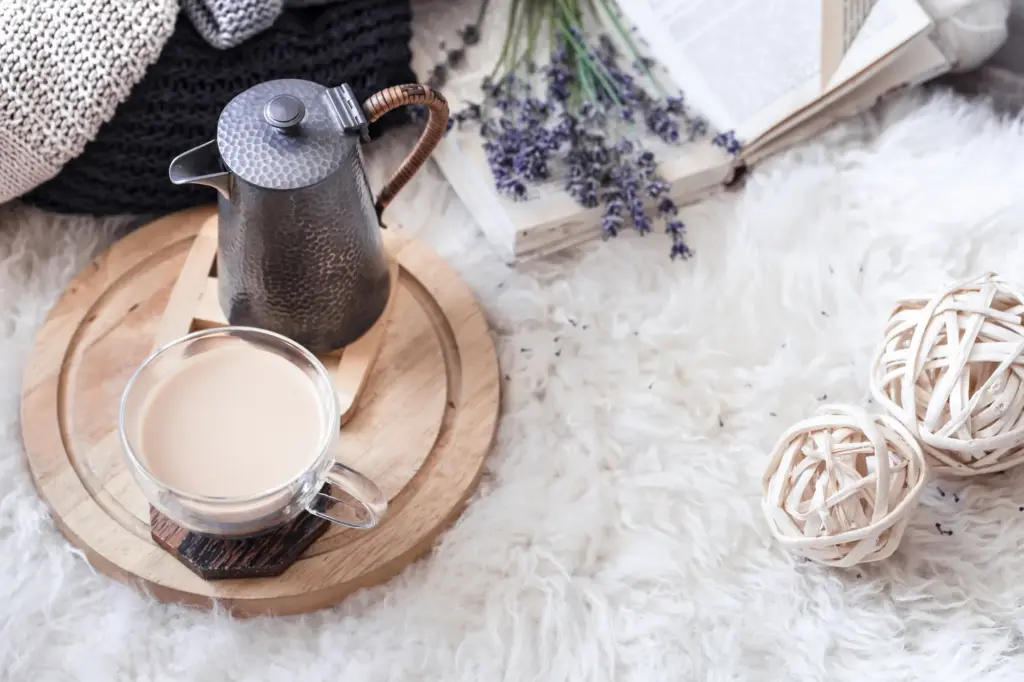
Flicker loves to wander near vents and doorways. Map airflow with a tissue before placing clusters, then guard surfaces with stone or cork. Trim wicks to six millimeters, keep clearances generous, and extinguish with a snuffer, avoiding smoke that competes with your chosen fragrance.
Bath Retreat: Steam, Stillness, and Spa-Calm Light
Moisture Meets Wick Science
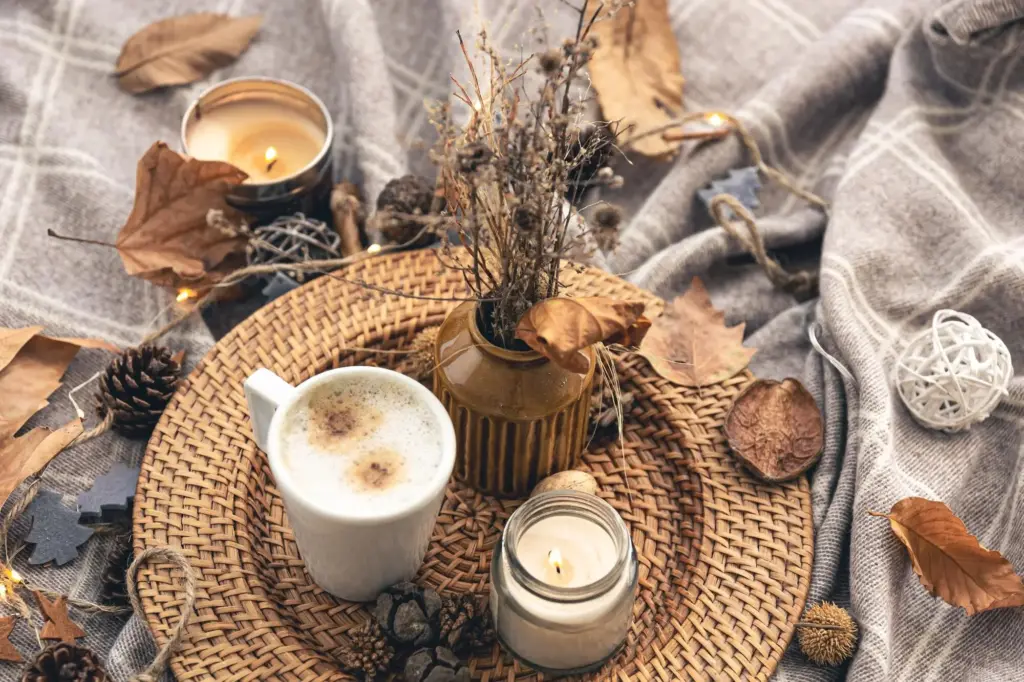
Humidity can slow combustion and encourage mushrooming. Favor wood wicks cut thin or tightly braided cotton that resists droop, and keep flames shorter than your thumbnail. Place on a stable tray, crack a window after steamy moments, and let residual heat gently release lingering aromatics.
Herbal Clarity for Fogged Mirrors and Minds
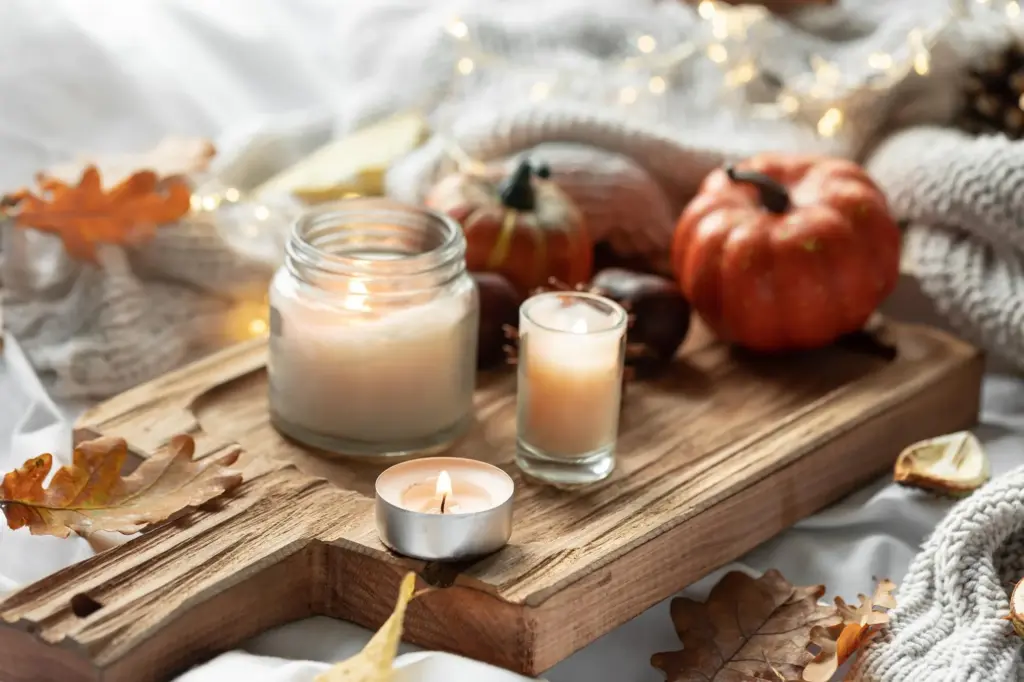
Eucalyptus, spearmint, rosemary, and tea tree sparkle in steam, lifting breath and mood without cloying sweetness. Choose essential-oil-forward blends from reputable makers, verify IFRA compliance, and rotate with mellow lavender on nights that ask for tenderness. Always extinguish before toweling to avoid awkward swishes near flames.

Five-Minute Reset Ritual Before Bed
Dim the lights, light one compact candle with a serene profile, then focus on five deep breaths while steam curls upward. Rinse the day from your shoulders, snuff the flame, and let warmth linger. Readers report gentler sleep latency and kinder mornings after practicing consistently.
Bedroom Serenity: Dimmer Evenings, Kinder Mornings
Nighttime light should soothe, not stimulate. Favor single-flame setups with warm color temperatures, gentle gourmand whispers, or powder-soft musks. Establish a cutoff thirty minutes before sleep, ventilate lightly afterward, and wake to a tidy bedside where rest was honored, not bargained away by blue glare.

Scent Zoning: Guiding Movement with Invisible Pathways
Fragrance boundaries help rooms keep their identities while your day flows. Sketch a scent map: brighter at the entry, conversational in the lounge, clarifying in the bath, and restful in the bedroom. Use doors, hallways, and height to tune transitions like musical keys.

Mapping Throw, Volume, and Air Patterns
Every candle has a personality measured by throw and diffusion shape. Walk each space after ten minutes, noticing corners that trap scent or corridors that race it along. Adjust vessel size or placement, letting invisible boundaries guide guests naturally from welcome to unwind.
Avoiding Clashes While Keeping Interest
Layer families that converse: woods with citrus, florals with tea, resin with smoke. Keep heavy bakery notes distant from herbal bathrooms to prevent muddled signals. Rotate focus seasonally, and remember unscented tapers can deliver breathtaking light where scent would interfere, especially around meals.
Inside the Craft: Wax, Wicks, Vessels, and the Burn
Knowing the materials behind the glow turns guesswork into artistry. Soy often throws softly and lasts, coconut blends feel creamy and luxe, beeswax hums with honeyed warmth. Wick construction, vessel thickness, and diameter decide behavior, from pooling speed to crackle, affecting both styling freedom and safety.
Wax Personalities and Planet Kindness
Sustainably sourced soy and coconut blends usually burn cooler, stretching hours and encouraging gentle scent. Beeswax cleans air by ionization, though its natural perfume can color blends. Paraffin offers bold throw when refined carefully. Read maker transparency, and let values guide which glow brightens your rituals.
Wick Types, Trim Habits, and Even Pools
Flat-braid cotton wicks love steady burns; wooden wicks bring crackle and broad, low flames. Trim before each light to the width of a grain of rice. This prevents soot, stabilizes flame height, and invites symmetrical melt pools that look polished on any table.
Vessels, Heat Shock, and Responsible Extinguishing
Thick-walled glass tolerates repeated heat cycles better than delicate crystal. Avoid water dousing, which can fracture containers; use snuffers or lids to halt combustion gracefully. Always protect porous stone or wood with a coaster, and let wax cool before moving to preserve alignment.

Coffee Table Compositions with Breathing Room
Start with a low tray, anchor with a medium jar candle, then flank with a sculptural bookend and a tiny bud vase. Use the rule of thirds across both height and footprint. The result feels intentional, inviting conversation without blocking sightlines or remotes.
Mirrors, Metals, and Gentle Multiplication
A small mirror behind a flame doubles radiance while staying soft if you angle it away from direct glare. Antiqued finishes diffuse brightest points. Mix brass with pewter for character, keeping fingerprints buffed so reflections read like moonlight, not spotlight, during relaxed evenings.
Care, Longevity, and Air Quality Without Fuss
Good habits stretch every jar further and keep air fresher. The first burn should liquefy wax edge to edge, preventing tunnels. Regular trims minimize soot and headaches, and smart storage preserves notes. Care becomes a companion ritual that respects health, budgets, and craft.
First Burn Memory and Rescue Tactics
Let the initial session last long enough to melt a full surface, then future burns will follow suit. If tunneling appears, wrap the jar’s shoulders with foil to reflect heat briefly. Patience saves fragrance, reveals elegant walls, and restores even, confident light.
Indoor Air, Ventilation, and Cleaner Implements
Burn in well-ventilated rooms, and avoid drafting that pushes soot onto walls. Choose cotton or hemp matches, or a rechargeable lighter, and prefer cleaner formulas from transparent makers. After extinguishing, open a window for a moment so freshness and fragrance coexist peacefully.
Storage, Rotation, and Seasonal Planning
Keep lids on between uses, store away from sunlight, and rotate choices seasonally so noses stay delighted. Test cold throw monthly to ensure blends remain true. Build a small archive of favorites, then shop intentionally, not impulsively, guided by memory rather than novelty.
All Rights Reserved.