Build Your Own Mood Candle Kit: Custom Scents, Colors, and Labels
Step into a creative ritual where fragrance becomes memory, color becomes emotion, and labels become your voice. Together, we will build a complete mood candle kit with custom scents, colors, and labels, guiding you from first spark to polished result, with practical tips, heartfelt stories, and an invitation to share what you make with a growing, encouraging community.
Start with Intention and Safe, Solid Basics
{{SECTION_SUBTITLE}}
Set the Mood You Want to Feel
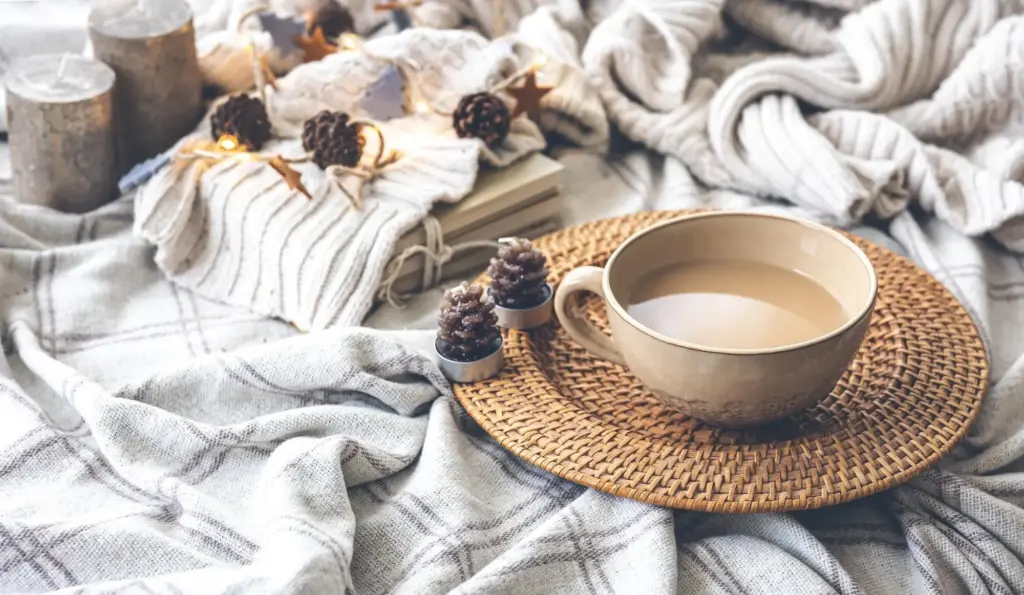
Name the feeling first: restful evening, focused study, playful gathering, or morning clarity. When you anchor your candle to a feeling, every decision becomes easier. Picture the lighting, the soundtrack, the season, and the people nearby. Let those imagined details steer your fragrance notes, color choices, and even the texture of your label, turning a simple craft into a personal ritual with intention at its heart.
Gather the Right Tools and Materials
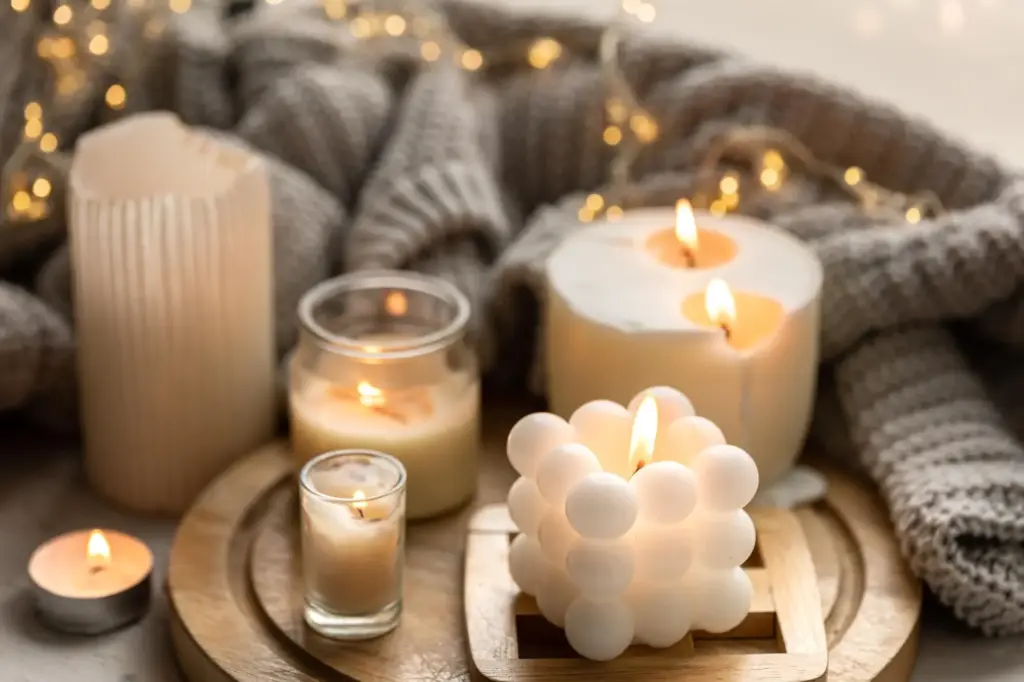
Assemble a reliable toolkit: a digital scale, thermometer, heat-safe pitcher, silicone spatula, wick centering tools, and fire-safe vessels rated for heat. Choose a wax suited to your goals, whether creamy soy, bright paraffin, or beautifully aromatic coconut blends. Keep paper towels, alcohol, and cotton swabs ready for quick cleanups. Organize everything in trays or bins so your future refills feel easy, consistent, and happily mess-free.
Design a Fragrance That Speaks in Layers
Great scents tell stories in chapters: a bright hello, a warm conversation, and a comforting goodbye. Build your blend with top, heart, and base notes that complement your intention. Use blotter strips, tiny testers, and measured ratios to compare options. Consider flash points, safety standards, and sensitivities. When your candle cures and throws beautifully, that invisible architecture of scent transforms any room into a feeling you can revisit again and again.
Map Top, Heart, and Base Notes
Top notes greet you quickly and fade, like citrus or mint; heart notes carry the message, like lavender or rose; base notes linger with depth, like sandalwood, amber, or vanilla. Sketch a pyramid for balance and clarity. When you understand each role, you can guide attention, shape transitions, and avoid muddiness. This structure becomes your quiet assistant, ensuring your candle’s first impression and final memory feel intentional, timeless, and surprisingly sophisticated.
Blend with Ratios and Real Testing
Start with small blends at measured ratios, like 40 percent heart, 30 percent top, 30 percent base, then shift gradually toward your goal. Label every vial, track exact drops or grams, and let blends sit before judging. Heat can soften sharp edges, while cure time deepens sweetness. Compare cold throw and hot throw honestly. Repeat what works, retire what doesn’t, and trust the notebook more than memory when subtle differences truly matter.
Color That Carries Emotion
Color sets expectation before a single wick is lit. Use dye chips for consistency, liquid dyes for fine-tuning, and micas sparingly for shimmer in containers that showcase sparkle. Consider how glass amplifies hue while tins soften it. Match saturation to fragrance personality and room lighting. Keep notes on load percentages, stir patterns, and pour temperatures. When color and scent harmonize, the experience feels composed, intentional, and delightfully memorable from box to flame.


Vessels, Wicks, and the Burn Equation
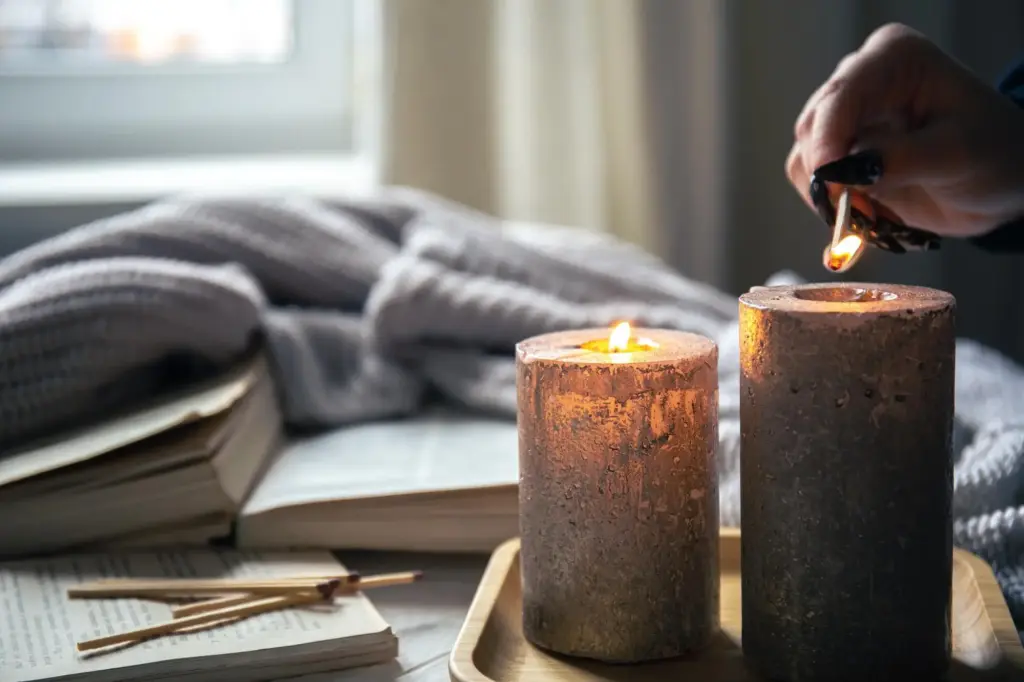
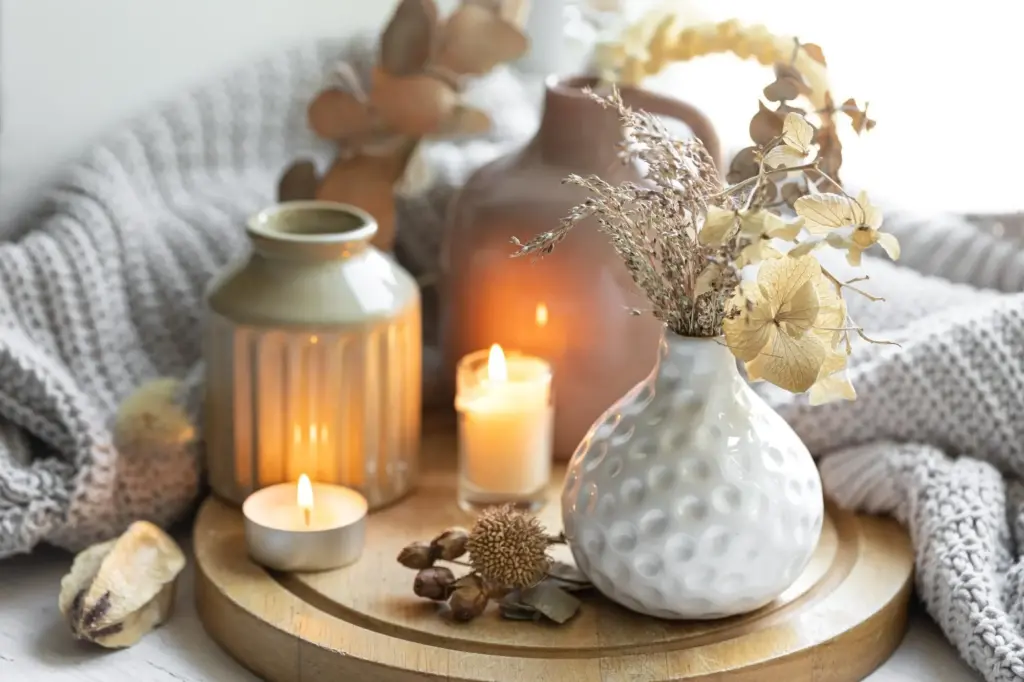
A beautiful candle is a beautiful burn first. Choose heat-rated containers with appropriate diameters, pair them with wicks sized from reliable charts, then test methodically. Cotton wicks differ from wood, single from double, and the right neck-to-diameter pairing matters. Pour and cure with patience, watching adhesion, frosting, and tunneling. Gather data calmly and adjust. When flame, fragrance, and container agree, the candle glows confidently, smells consistent, and inspires trust in every light.
Select Containers Built for Heat and Beauty
Glass should be thick and designed for candles, free from hairline cracks and rated for thermal changes. Metal tins offer durability and travel readiness. Consider shape and mouth width to influence melt pool behavior. Test fit lids, label sizes, and grip feel. The best vessel vanishes emotionally when lit, letting fragrance and color lead, yet it supports safety with predictable performance and a comfortable presence that belongs naturally on coffee tables and desks.
Size and Test the Wick Like a Scientist
Start from manufacturer charts, then test among neighboring sizes. Track melt pool width at set intervals, record mushrooming, soot, and flame height. Trim before each burn to standardized lengths. Swap series if behavior persists. Document wax blend, fragrance load, and dye level because tiny changes can tip the balance. When your data sings, the flame steadies, fragrance throws clearly, and the candle finishes cleanly without tunneling or dangerously oversized, smoky drama.
Pour Temperatures and Cures That Reward Patience
Heat wax to a recommended window, cool to a precise blend temperature, then add fragrance and stir intentionally. Pour slowly into pre-warmed containers when helpful. Allow generous cure time according to wax type before judgment day. Rushing hides potential and misleads conclusions. A well-rested candle reveals truer throw, better surface quality, and more stable color. Patience is not delay; it is the quiet collaborator that turns good work into something reliably excellent.

Labels that Tell a Story and Meet Standards
Your label is a handshake, a promise, and a tiny billboard. Give it a voice that matches the fragrance and color, then choose materials that survive heat and handling. Include scent notes, burn tips, and safety icons. Add a QR code for playlists, behind-the-scenes blends, and refills. A thoughtful label builds trust, invites conversation, and guides care, turning a hand-poured object into a personal, shareable experience worthy of repeat visits.
Testing, Packaging, Gifting, and Community
Treat the final phase as both science and celebration. Test burns reveal truth; packaging sets expectation; gifting forges memories; community keeps learning alive. Build a kit experience that teaches, delights, and invites feedback. Encourage photos, playlists, and scent stories. Offer easy refills. When people feel seen and supported, they light your candle not just for scent, but for connection, returning to share what they discovered in the gentle, honest glow.
All Rights Reserved.